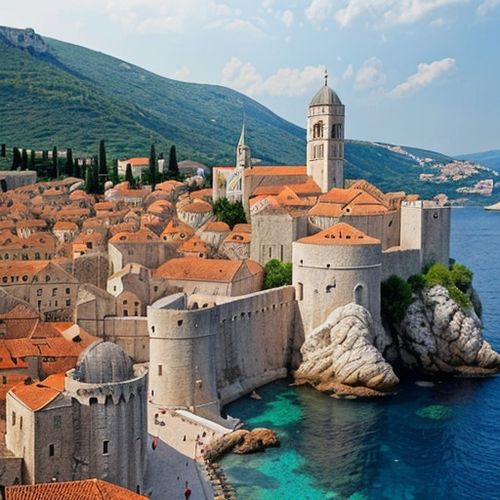
The breathtaking landscapes and medieval architecture of Croatia have long been a magnet for travelers, but in recent years, the country’s popularity has soared to unprecedented heights—thanks in no small part to its starring role as a filming location for HBO’s global phenomenon, Game of Thrones. From the towering walls of Dubrovnik (King’s Landing) to the mystical streets of Split (Meereen), fans have flocked to these iconic sites, eager to walk in the footsteps of their favorite characters. However, this surge in tourism has come at a cost, prompting Croatian authorities to introduce strict visitor limits in an effort to protect the country’s cultural and historical treasures.
The Rise of Game of Thrones Tourism
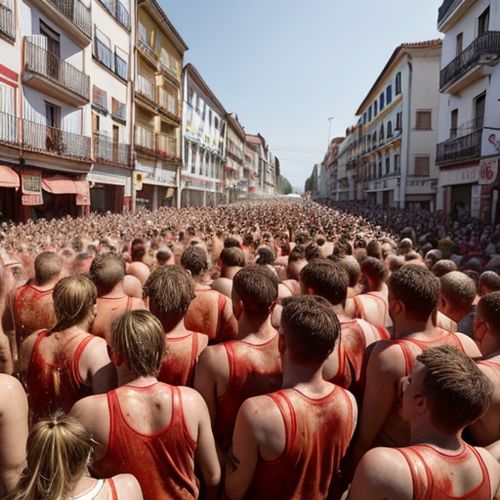
Since the series first aired in 2011, Croatia’s connection to Game of Thrones has transformed its tourism industry. Dubrovnik, in particular, became synonymous with King’s Landing, the capital of the Seven Kingdoms. The city’s ancient walls, baroque buildings, and Adriatic vistas provided the perfect backdrop for the show’s political intrigue and epic battles. As the series gained a cult following, visitor numbers skyrocketed, with tour operators offering specialized Game of Thrones itineraries and local guides capitalizing on the hype.
But the influx of tourists soon began to strain Dubrovnik’s infrastructure. The city’s narrow limestone streets, designed centuries ago for a fraction of the current foot traffic, became overcrowded. Residents complained of noise, litter, and the erosion of their daily way of life. UNESCO, which designated Dubrovnik’s Old Town a World Heritage Site in 1979, even warned that excessive tourism could jeopardize its preservation.
A Necessary Response: Visitor Caps and Timed Entry
In response to these challenges, Croatian officials have rolled out a series of measures aimed at balancing tourism with conservation. Dubrovnik’s authorities were among the first to act, implementing a cap on daily visitors to the Old Town in 2017. The system, which monitors entries via electronic counters, restricts the number of people allowed inside the walls at any given time. Tour groups are now required to book slots in advance, and independent travelers are encouraged to visit during off-peak hours.
Similar restrictions have since been introduced in Split, where Diocletian’s Palace—a UNESCO-listed Roman monument that doubled as Daenerys Targaryen’s throne room—faces similar pressures. The palace’s underground cellars, a key filming location, now operate on a timed ticketing system to prevent overcrowding. Meanwhile, the picturesque island of Lokrum, which served as the city of Qarth, has limited daily ferry arrivals to protect its fragile ecosystem.
Mixed Reactions from Locals and Tourists
While conservationists and many residents have welcomed the new regulations, the measures have not been without controversy. Some small business owners, particularly those reliant on Game of Thrones-themed tours and merchandise, fear that limiting visitor numbers could hurt their livelihoods. "Tourism is our lifeblood," says Marko Petrovic, a Dubrovnik-based guide. "If they cut the numbers too much, it’s not just the big companies that suffer—it’s the families running guesthouses and cafes too."
Tourists, too, have expressed frustration. Many travelers plan their Croatian vacations months in advance, only to find that tickets to key attractions are sold out. Social media is rife with complaints about long waits and missed opportunities. "We came all the way from Australia to see King’s Landing," lamented one visitor. "Now we’re being told we can’t even walk the walls without a reservation? It feels unfair."
Looking Beyond Game of Thrones: Sustainable Tourism as the Future
Croatia’s dilemma is not unique. From Iceland’s Reynisfjara beach to Thailand’s Maya Bay, destinations featured in popular films and TV shows often struggle with overtourism. What sets Croatia apart, however, is its proactive approach. By implementing visitor limits early, the country hopes to avoid the irreversible damage seen in other hotspots.
Officials are also working to diversify Croatia’s tourism appeal beyond Game of Thrones. Efforts are underway to promote lesser-known regions like Istria and Slavonia, with their rolling vineyards and Baroque towns. Cultural festivals, culinary tours, and eco-tourism initiatives are being highlighted to attract visitors year-round, reducing the seasonal spikes that strain resources.
For now, the message is clear: Croatia’s heritage must come first. As the country continues to navigate its role as a real-life fantasyland, the hope is that fans of Game of Thrones—and all travelers—will understand the need to tread lightly on these ancient stones. After all, as the show itself taught us, nothing lasts forever unless it is protected.
By Jessica Lee/Apr 6, 2025
By Elizabeth Taylor/Apr 6, 2025
By Olivia Reed/Apr 6, 2025
By John Smith/Apr 6, 2025
By Benjamin Evans/Apr 6, 2025

By Ryan Martin/Apr 6, 2025
By Noah Bell/Apr 6, 2025

By James Moore/Apr 6, 2025

By Jessica Lee/Apr 6, 2025

By Megan Clark/Apr 6, 2025
By David Anderson/Apr 6, 2025

By Emma Thompson/Apr 6, 2025

By Emily Johnson/Apr 6, 2025

By Daniel Scott/Apr 6, 2025

By Benjamin Evans/Apr 6, 2025

By John Smith/Apr 6, 2025
By Lily Simpson/Apr 6, 2025
By Elizabeth Taylor/Apr 6, 2025

By John Smith/Apr 6, 2025

By John Smith/Apr 6, 2025