Poland has emerged as a key destination for German manufacturing companies seeking to relocate operations, driven by lower labor costs, geographic proximity, and a skilled workforce. However, this shift is not without its challenges, particularly concerning labor availability and workforce readiness. As German firms increasingly set up production facilities in Poland, the strain on the local labor market has become evident, raising questions about sustainability and long-term growth.
The migration of German manufacturing to Poland is part of a broader trend of nearshoring, where companies move production closer to home markets to reduce supply chain risks. Poland's strategic location within the EU, coupled with its competitive wage structure, makes it an attractive alternative to Asian markets. Yet, the rapid influx of industrial investments has exposed gaps in the labor pool, particularly in specialized sectors such as automotive, machinery, and electronics.
One of the most pressing issues is the shrinking working-age population. Like many Central and Eastern European countries, Poland faces demographic headwinds, with an aging society and declining birth rates. The outmigration of young Poles to Western Europe in search of higher wages has further exacerbated the labor shortage. While remittances from abroad contribute to the economy, the loss of skilled workers poses a direct challenge to domestic industries.
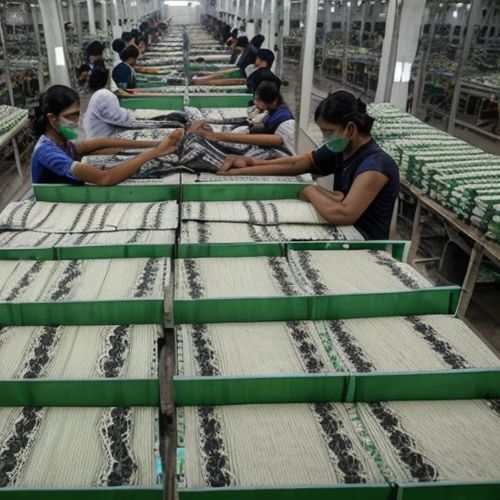
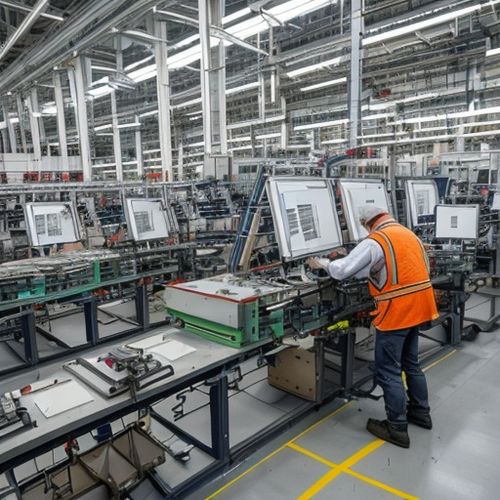
Another concern is the mismatch between the skills demanded by German manufacturers and those available in the Polish workforce. German companies often require employees with technical expertise in automation, robotics, and advanced manufacturing processes. Although Poland has a strong tradition in engineering education, the pace of technological change means that many workers need upskilling to meet employer expectations. Vocational training programs have struggled to keep up with industry needs, leaving some firms to invest heavily in internal training.
Wage inflation is another consequence of the labor squeeze. As competition for qualified workers intensifies, salaries in industrial hubs like Wrocław, Poznań, and Katowice have risen sharply. While this benefits Polish employees, it erodes one of the country's key advantages—cost competitiveness. Some analysts warn that if wage growth continues unchecked, Poland could price itself out of the market, prompting manufacturers to explore cheaper alternatives in Romania or Bulgaria.
The Polish government has recognized these challenges and is taking steps to address them. Initiatives such as tax incentives for R&D investments and partnerships between universities and corporations aim to foster a more innovation-driven economy. Additionally, efforts to attract back Polish expatriates through better career prospects and quality-of-life improvements could help alleviate labor shortages. However, these measures will take time to yield results, and in the interim, companies must navigate an increasingly tight labor market.
For German manufacturers, the decision to relocate to Poland remains compelling despite these hurdles. The country's infrastructure, EU membership, and cultural affinity with Germany provide a smoother transition compared to more distant outsourcing destinations. Many firms are adopting hybrid approaches, keeping high-value R&D and design functions in Germany while offshoring production to Poland. This model allows them to balance cost efficiency with quality control.
Looking ahead, the success of Poland as a manufacturing hub will depend on its ability to adapt to these labor challenges. Investments in education, automation, and workforce mobility will be critical. If managed effectively, the current wave of German industrial relocation could cement Poland's position as Europe's workshop. If not, companies may need to rethink their strategies, potentially looking beyond Eastern Europe for their production needs.
The interplay between German industrial might and Polish labor dynamics will shape the future of manufacturing in the region. While the opportunities are significant, the path forward requires careful navigation of demographic trends, skill development, and economic policies. Both countries have much to gain from this partnership, but its sustainability hinges on addressing the workforce challenges that threaten to slow its momentum.
By John Smith/Apr 6, 2025
By David Anderson/Apr 6, 2025
By David Anderson/Apr 6, 2025
By Emma Thompson/Apr 6, 2025

By Emily Johnson/Apr 6, 2025
By Sarah Davis/Apr 6, 2025

By Thomas Roberts/Apr 6, 2025
By Olivia Reed/Apr 6, 2025
By Jessica Lee/Apr 6, 2025
By Megan Clark/Apr 6, 2025

By Christopher Harris/Apr 6, 2025
By Sarah Davis/Apr 6, 2025
By George Bailey/Apr 6, 2025
By Grace Cox/Apr 6, 2025

By David Anderson/Apr 6, 2025

By Ryan Martin/Apr 6, 2025

By George Bailey/Apr 6, 2025

By William Miller/Apr 6, 2025

By Sophia Lewis/Apr 6, 2025
By Thomas Roberts/Apr 6, 2025