The ongoing electricity crisis in South Africa has reached a critical point, forcing businesses to seek alternative energy solutions. With rolling blackouts becoming the norm and Eskom, the state-owned power utility, struggling to keep the lights on, companies across various sectors are turning to self-built photovoltaic (PV) systems to ensure operational continuity. This shift marks a significant transformation in the country’s energy landscape, as businesses take matters into their own hands to mitigate the impact of unreliable grid power.
For years, South Africa has grappled with electricity shortages, but the situation has deteriorated sharply in recent months. Scheduled power cuts, known locally as load shedding, have become more frequent and prolonged, sometimes lasting up to 10 hours a day. The economic toll is staggering, with estimates suggesting that the crisis shaves billions of dollars off the country’s GDP annually. In this environment, businesses—ranging from small enterprises to large industrial players—are increasingly viewing solar power not just as an option, but as a necessity for survival.
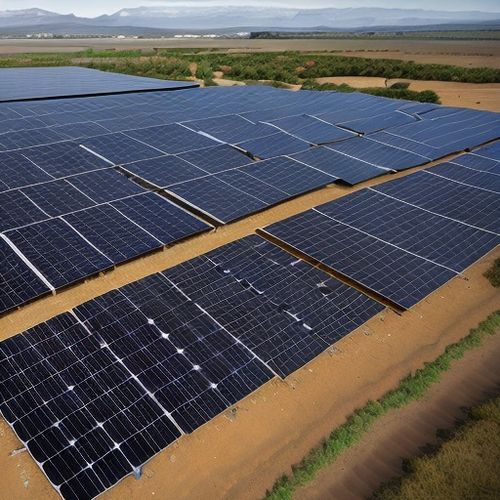
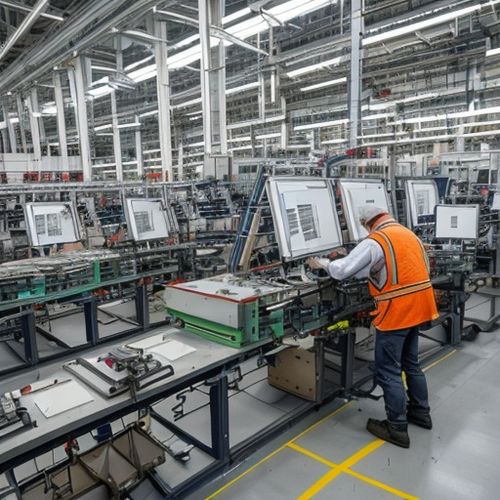
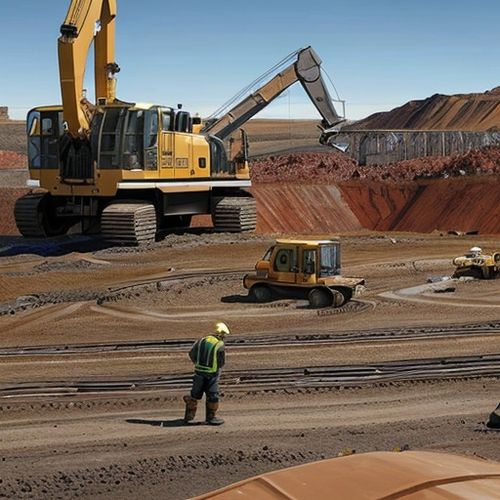
The rise of self-built PV systems has been particularly noticeable in energy-intensive industries such as mining, manufacturing, and agriculture. These sectors, which rely heavily on consistent power supply, have been among the hardest hit by Eskom’s instability. Companies are now investing heavily in rooftop solar panels, ground-mounted arrays, and even hybrid systems that combine solar with battery storage. The upfront costs are substantial, but the long-term savings and reliability outweigh the initial expenditure for many.
One of the most compelling aspects of this trend is how it has democratized energy access. Previously, only large corporations with deep pockets could afford to install solar infrastructure. However, advancements in technology and financing options have made PV systems more accessible to small and medium-sized enterprises (SMEs). Leasing models, power purchase agreements (PPAs), and government incentives have lowered the barriers to entry, enabling a broader range of businesses to participate in the renewable energy revolution.
The government’s role in this transition has been mixed. On one hand, authorities have introduced policies to encourage private investment in renewables, such as lifting the licensing threshold for embedded generation projects. On the other hand, bureaucratic hurdles and delays in approving larger-scale projects have frustrated many companies. Some industry players argue that more aggressive reforms are needed to accelerate the adoption of solar power and reduce reliance on Eskom.
Beyond economic considerations, the environmental benefits of this shift cannot be ignored. South Africa remains heavily dependent on coal for electricity generation, making it one of the world’s largest carbon emitters per capita. The surge in corporate solar installations is helping to reduce the country’s carbon footprint while also setting an example for other nations facing similar energy challenges. This dual impact—economic resilience and environmental sustainability—makes the trend particularly noteworthy.
Despite the progress, challenges remain. Grid integration of decentralized solar systems poses technical difficulties, and not all businesses have the space or capital to install their own PV arrays. Moreover, the intermittent nature of solar power means that companies still need backup solutions for cloudy days or nighttime operations. Battery storage technology is improving, but it remains expensive for widespread adoption.
Looking ahead, the self-built solar model is likely to gain further traction as electricity prices continue to rise and Eskom’s woes persist. Some analysts predict that South Africa could see a dramatic increase in corporate renewable energy projects over the next decade, fundamentally altering how businesses source their power. While the transition won’t happen overnight, the momentum is unmistakable—and for many companies, it represents the only viable path forward in an era of chronic energy uncertainty.
The story of South Africa’s electricity crisis is still unfolding, but one thing is clear: businesses are no longer waiting for solutions to come from above. By taking control of their energy futures, they are not only safeguarding their operations but also driving a broader shift toward sustainability. In doing so, they may well be writing the blueprint for how other energy-stressed economies can adapt in the years to come.
By John Smith/Apr 6, 2025
By David Anderson/Apr 6, 2025
By David Anderson/Apr 6, 2025
By Emma Thompson/Apr 6, 2025
By Emily Johnson/Apr 6, 2025
By Sarah Davis/Apr 6, 2025
By Thomas Roberts/Apr 6, 2025
By Olivia Reed/Apr 6, 2025
By Jessica Lee/Apr 6, 2025
By Megan Clark/Apr 6, 2025

By Christopher Harris/Apr 6, 2025
By Sarah Davis/Apr 6, 2025
By George Bailey/Apr 6, 2025
By Grace Cox/Apr 6, 2025

By David Anderson/Apr 6, 2025
By Ryan Martin/Apr 6, 2025
By George Bailey/Apr 6, 2025
By William Miller/Apr 6, 2025
By Sophia Lewis/Apr 6, 2025
By Thomas Roberts/Apr 6, 2025