Vietnam’s economy has long been celebrated for its rapid growth, but beneath the surface of its impressive GDP figures lies a growing imbalance. The country’s real estate sector is booming at an unsustainable pace, while its manufacturing industry—once the backbone of economic development—struggles to keep up. This divergence has raised concerns among economists and policymakers about the risks of overheating and the potential for long-term instability.
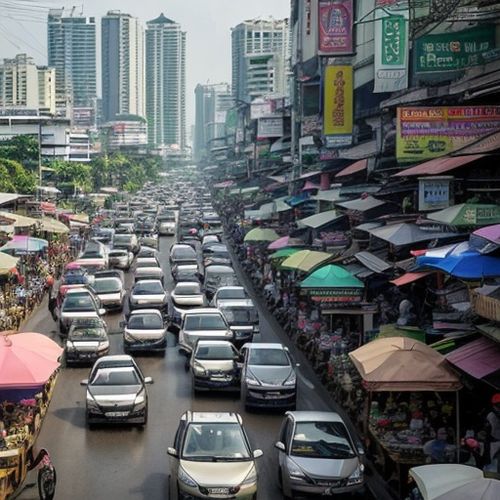
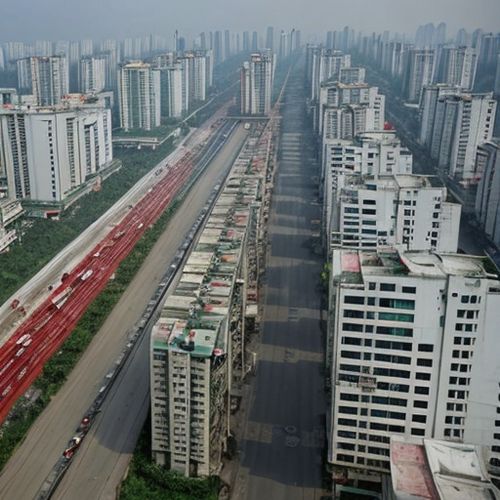
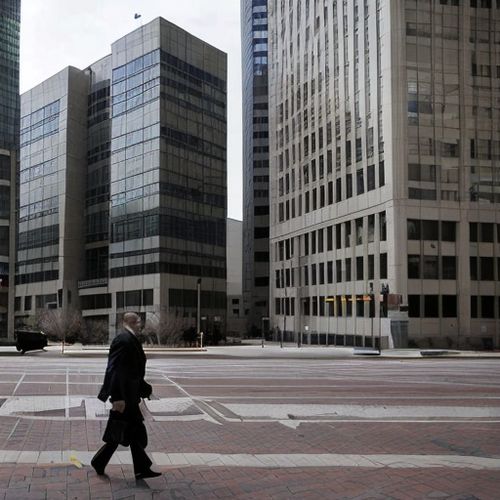
The real estate market in Vietnam has become a magnet for speculative investments, with property prices in major cities like Hanoi and Ho Chi Minh City soaring to unprecedented levels. Luxury apartments, commercial complexes, and sprawling urban projects dominate the skyline, fueled by easy credit and a surge in foreign capital. Developers rush to meet demand, often prioritizing high-end projects over affordable housing, exacerbating social inequalities. Meanwhile, local buyers, enticed by the promise of quick returns, pour their savings into properties, further inflating the bubble.
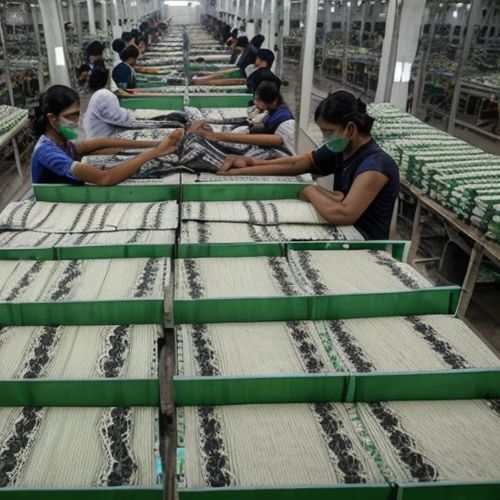
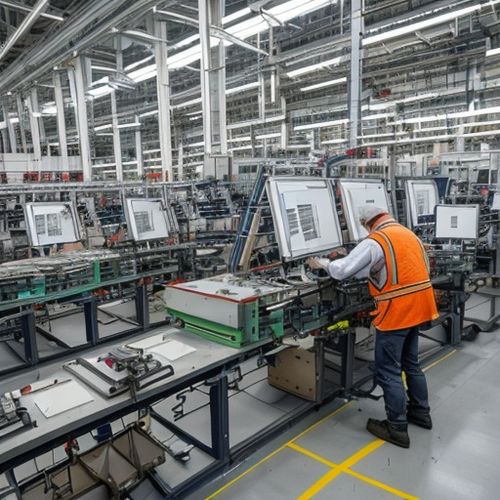
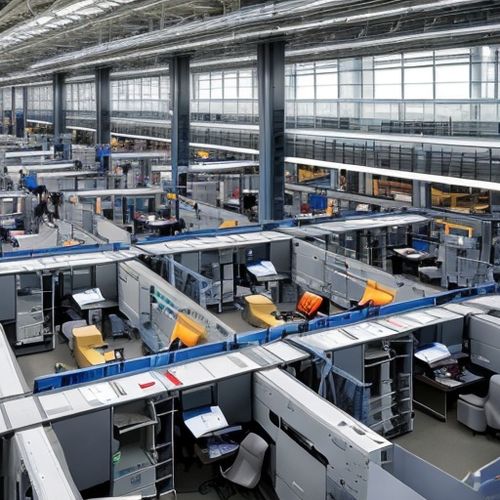
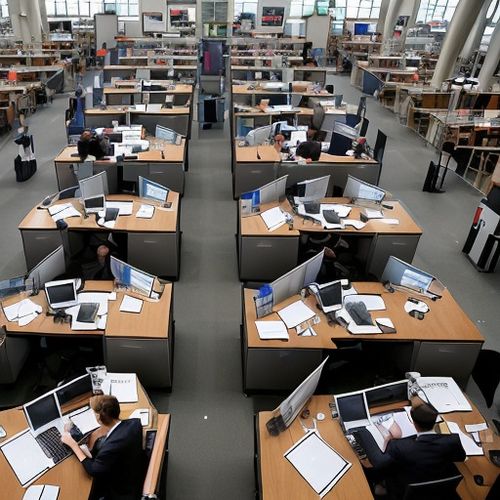
This frenzy in real estate stands in stark contrast to the challenges faced by Vietnam’s manufacturing sector. Once a key driver of the country’s export-led growth, factories now grapple with rising labor costs, supply chain disruptions, and fierce regional competition. While multinational corporations continue to invest in Vietnam as a manufacturing hub, smaller domestic firms struggle to modernize and scale operations. The government’s heavy reliance on foreign direct investment (FDI) has left local industries vulnerable to external shocks, with many firms unable to compete in high-value production.
The imbalance between these two sectors reflects deeper structural issues in Vietnam’s economy. Real estate, while lucrative in the short term, does not generate the same level of sustainable employment or technological advancement as manufacturing. When capital flows disproportionately into property speculation, it diverts resources away from industrial innovation and infrastructure that could strengthen Vietnam’s long-term competitiveness. Economists warn that without corrective measures, the country risks repeating the mistakes of other emerging markets that prioritized quick profits over balanced development.
Government intervention has so far been inconsistent. While authorities have introduced measures to cool the property market—such as tightening credit regulations and increasing oversight of large-scale projects—enforcement remains weak. Corruption and bureaucratic inefficiencies often undermine policy effectiveness, allowing speculative practices to persist. At the same time, efforts to revitalize manufacturing have been fragmented, with insufficient support for small and medium-sized enterprises (SMEs) that form the backbone of the industrial base.
The consequences of this economic imbalance are already becoming visible. Inflationary pressures are mounting as housing costs rise, squeezing household budgets and reducing disposable income for other goods and services. Meanwhile, the manufacturing sector’s sluggish growth threatens Vietnam’s position in global supply chains, particularly as neighboring countries like Thailand and Indonesia ramp up their industrial capabilities. If left unchecked, the widening gap between real estate and manufacturing could destabilize the broader economy, leading to financial instability or even a crisis.
Addressing these challenges will require a more coordinated approach. Policymakers must strike a delicate balance between curbing speculative real estate investments and fostering a more competitive manufacturing environment. Strengthening regulatory frameworks, improving access to financing for SMEs, and investing in workforce training could help rebalance growth. Otherwise, Vietnam’s economic miracle may face an uncertain future—one where short-term gains in property overshadow the foundations of sustainable development.

By John Smith/Apr 6, 2025
By David Anderson/Apr 6, 2025
By David Anderson/Apr 6, 2025
By Emma Thompson/Apr 6, 2025
By Emily Johnson/Apr 6, 2025
By Sarah Davis/Apr 6, 2025
By Thomas Roberts/Apr 6, 2025
By Olivia Reed/Apr 6, 2025
By Jessica Lee/Apr 6, 2025
By Megan Clark/Apr 6, 2025

By Christopher Harris/Apr 6, 2025
By Sarah Davis/Apr 6, 2025
By George Bailey/Apr 6, 2025
By Grace Cox/Apr 6, 2025

By David Anderson/Apr 6, 2025

By Ryan Martin/Apr 6, 2025

By George Bailey/Apr 6, 2025

By William Miller/Apr 6, 2025
By Sophia Lewis/Apr 6, 2025
By Thomas Roberts/Apr 6, 2025