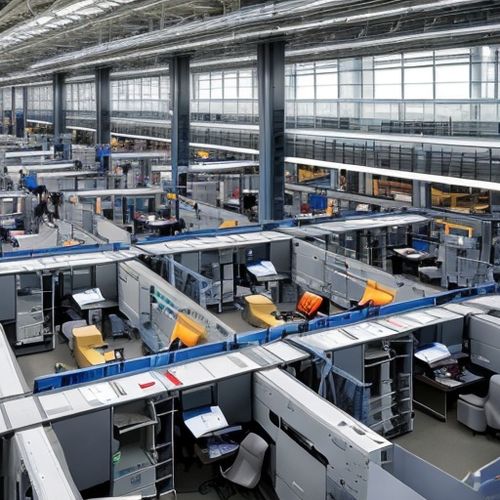
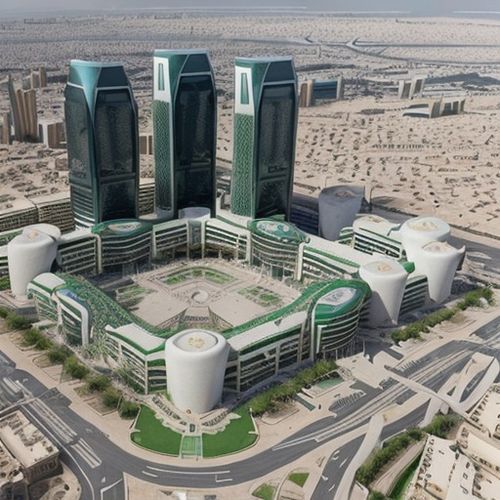
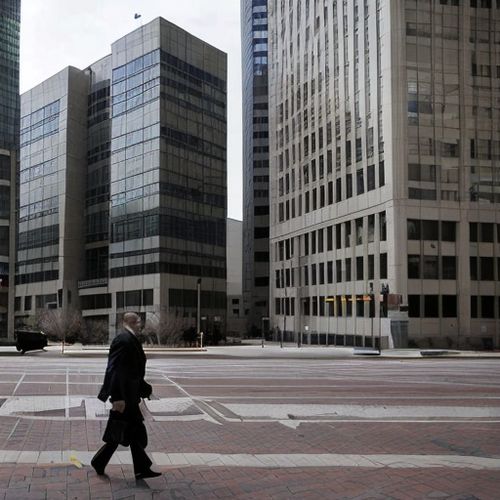
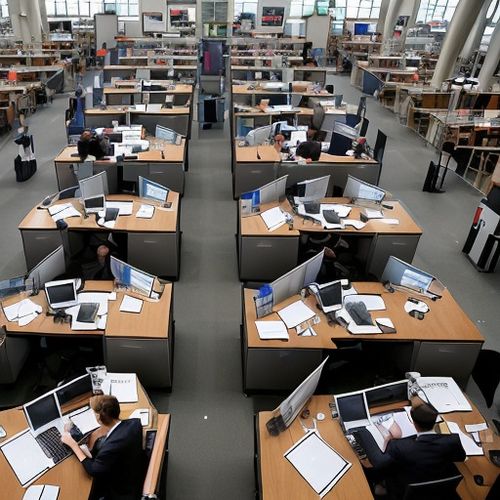
The American workplace is undergoing a seismic shift, and the aftershocks are rattling the foundations of commercial real estate. What began as a temporary pandemic measure - remote work - has evolved into a permanent fixture for millions of employees. This transformation is leaving office towers empty, landlords scrambling, and city budgets straining under the weight of declining property values.
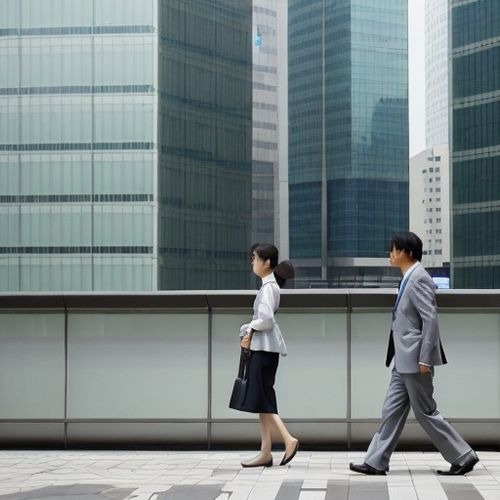
The golden age of downtown office space appears to be over. Major employers across technology, finance, and professional services have embraced hybrid work models, with many downsizing their physical footprints permanently. Companies like Meta, Salesforce, and JPMorgan Chase have either subleased millions of square feet or walked away from leases altogether. The ripple effects extend far beyond individual corporations - they're reshaping urban landscapes.
Vacancy rates tell the sobering story. According to Moody's Analytics, the U.S. office vacancy rate hit a record 19.6% in the fourth quarter of 2023, surpassing the previous high during the savings and loan crisis of the 1980s. In cities like San Francisco and Houston, nearly one-third of offices sit empty. The situation is particularly dire for older Class B and C buildings that can't compete with newer, amenity-rich spaces designed for hybrid work environments.
Building owners face an impossible equation: declining revenues coupled with rising costs. Many commercial mortgages originated during the pre-pandemic boom years are now underwater as appraisals plummet. With interest rates remaining elevated, refinancing becomes prohibitively expensive. Some landlords are simply walking away, handing keys back to lenders rather than pouring money into buildings that may never regain their former value.
The distress is spreading through the financial system. Commercial mortgage-backed securities (CMBS) delinquencies have been climbing steadily, with office loans accounting for the majority of troubled debt. Regional banks, which hold about 80% of commercial real estate loans, find themselves particularly exposed. The collapse of several midsize banks in 2023 offered a preview of what could happen if the office market continues to deteriorate.
Municipal governments dependent on property taxes are feeling the pinch. New York City expects to lose $500 million annually in tax revenue from devalued office properties. San Francisco faces a $780 million budget deficit over the next two years, driven largely by empty downtown offices. These fiscal challenges come as cities simultaneously grapple with increased demand for services and the need to revitalize hollowed-out business districts.
Some property owners are getting creative with conversions. A growing number of developers are exploring office-to-residential transformations, particularly in markets with housing shortages. However, these projects face significant hurdles - from zoning restrictions to the structural challenges of retrofitting buildings designed for work into spaces suitable for living. The economics only work in select markets where residential values justify the substantial conversion costs.
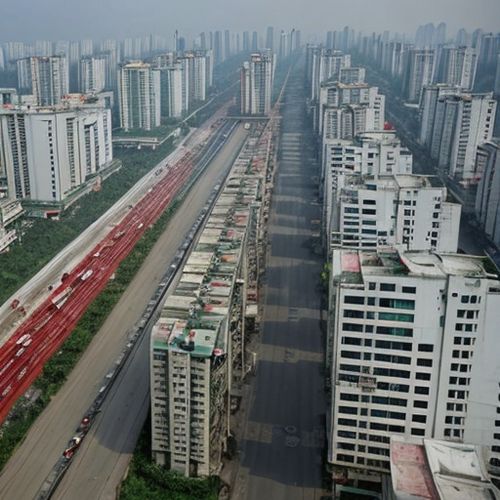
The crisis has exposed deeper questions about the future of urban centers. For decades, the symbiotic relationship between central business districts and mass transit systems shaped city growth. Now, with fewer commuters, transit agencies face their own financial crises. The potential downward spiral - fewer offices leading to fewer riders leading to reduced service - threatens to accelerate urban decline in some markets.
Not all properties are suffering equally. Trophy buildings in prime locations continue to command premium rents, benefiting from flight-to-quality trends as companies consolidate into best-in-class spaces. These properties, often featuring state-of-the-art air filtration systems, outdoor spaces, and hospitality-style amenities, are becoming the exception that proves the rule about broader market weakness.
The work-from-home revolution has created winners beyond just employees. Suburban office markets are experiencing a renaissance as companies seek locations closer to where people actually live. Industrial real estate continues to boom, fueled by e-commerce growth that accelerated during the pandemic. Data center demand has skyrocketed to support our increasingly digital economy. But these bright spots can't compensate for the massive valuation destruction in traditional office markets.
Looking ahead, experts predict a painful adjustment period. Analysts at Green Street estimate office values could decline 35-40% from peak levels. The market may not find its floor until 2025 or later, depending on interest rates and the ultimate equilibrium between remote and in-office work. In the meantime, lenders, landlords, and cities will need to navigate uncharted territory as they adapt to this new reality.
The commercial real estate crisis represents more than just a market correction - it's a fundamental reimagining of how and where we work. While the full consequences remain uncertain, one thing is clear: the American workplace will never look quite the same again. The buildings that once symbolized economic might now stand as monuments to an era that may be gone for good.
By John Smith/Apr 6, 2025
By David Anderson/Apr 6, 2025
By David Anderson/Apr 6, 2025
By Emma Thompson/Apr 6, 2025
By Emily Johnson/Apr 6, 2025
By Sarah Davis/Apr 6, 2025
By Thomas Roberts/Apr 6, 2025
By Olivia Reed/Apr 6, 2025
By Jessica Lee/Apr 6, 2025
By Megan Clark/Apr 6, 2025

By Christopher Harris/Apr 6, 2025

By Sarah Davis/Apr 6, 2025
By George Bailey/Apr 6, 2025
By Grace Cox/Apr 6, 2025
By David Anderson/Apr 6, 2025

By Ryan Martin/Apr 6, 2025

By George Bailey/Apr 6, 2025
By William Miller/Apr 6, 2025
By Sophia Lewis/Apr 6, 2025
By Thomas Roberts/Apr 6, 2025