The global copper market operates as an intricate web of interconnected factors, where disruptions in one key producing region can send ripples across continents. Peru, as the world's second-largest copper producer after Chile, plays a pivotal role in this delicate balance. When labor strikes hit Peruvian mines, the effects extend far beyond the Andes mountains, influencing everything from London Metal Exchange prices to manufacturing costs in China.
The Immediate Supply Shock
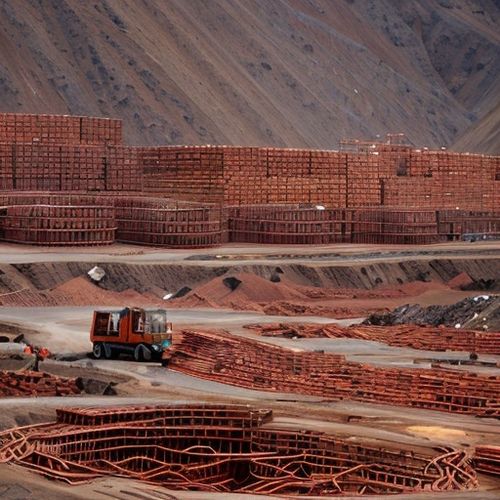
Work stoppages at major Peruvian copper operations create an immediate supply deficit in the global market. Mines like Las Bambas, Antamina, and Cerro Verde - each producing hundreds of thousands of tons annually - can see output grind to a halt during prolonged strikes. This sudden removal of supply occurs against a backdrop of historically tight copper inventories worldwide, amplifying the price impact.
Market analysts track these disruptions through shipping manifests and production reports, with traders reacting swiftly to any confirmed output reductions. The psychological effect often outweighs the actual tonnage affected, as buyers scramble to secure alternative supply chains. This panic buying can drive prices up disproportionately to the actual supply deficit, especially when strikes coincide with peak demand periods.
China's Dominant Role in the Equation
China's position as the world's largest copper consumer makes it particularly sensitive to Peruvian supply disruptions. Chinese smelters source approximately 40% of their copper concentrate from Peru, creating a direct pipeline between Andean mines and Asian factories. When this pipeline constricts, Chinese buyers enter the spot market aggressively, bidding up prices to ensure their production lines remain operational.
The relationship operates in both directions - when Peruvian supply falters, Chinese manufacturers often draw down their substantial stockpiles, which can temporarily cushion the blow. However, if strikes persist beyond a few weeks, these inventories dwindle, forcing more dramatic price adjustments. This dynamic explains why copper futures on the Shanghai exchange sometimes show more volatility during Peruvian labor actions than their London counterparts.
The Futures Market Amplification
Copper's status as one of the most actively traded industrial metals means that supply shocks get magnified through futures contracts and derivatives. Hedge funds and algorithmic traders monitor Peruvian labor relations as closely as any mining executive, with strike announcements triggering automated buying programs based on historical price patterns.
This financialization of copper means that price movements during strikes often exceed what fundamental supply-demand calculations would suggest. The options market sees particularly intense activity, with implied volatility spiking as traders position for potential extended disruptions. These financial flows can create self-reinforcing cycles where rising prices attract more speculative money, further distancing the paper market from physical supply realities.
Substitution Effects and Demand Destruction
At certain price thresholds, Peruvian strike impacts begin triggering secondary market reactions. Manufacturers may accelerate substitution efforts, replacing copper with aluminum in electrical applications or plastics in plumbing systems. While these substitutions are often technically inferior, the cost savings become compelling during prolonged price spikes.
More concerning for long-term market balance is demand destruction - where end-users simply delay or cancel projects due to material costs. The construction sector proves particularly sensitive, as copper-intensive projects like data centers and renewable energy installations face budget overruns. This demand response creates a natural ceiling on how high prices can climb during supply disruptions.
Inventory Dynamics and Hidden Stocks
The copper market maintains various inventory buffers that absorb initial strike impacts. Exchange-registered warehouses, consumer stockpiles, and unreported Chinese reserves all play roles in smoothing supply shocks. However, the opacity of these inventories means traders must make educated guesses about true availability.
During the early stages of Peruvian strikes, price movements may appear muted as these hidden stocks enter the market. The real test comes when these secondary supplies begin dwindling, typically after 4-6 weeks of sustained disruption. This explains why brief strikes cause temporary blips, while prolonged actions lead to structural repricing.
Concentrate Versus Cathode Considerations
Not all Peruvian copper production is created equal in terms of market impact. The country exports both copper concentrate (requiring smelting) and refined cathode (ready for manufacturing). Strikes at mines producing concentrate affect smelter operations globally, while cathode disruptions hit fabricators directly.
This distinction matters because smelting capacity operates closer to full utilization globally, meaning concentrate shortages create immediate bottlenecks. Cathode shortages, while painful, can sometimes be worked around through drawing down refined metal inventories or adjusting production schedules. The type of Peruvian operation affected therefore shapes the nature of the global price response.
Labor Unrest as a Persistent Risk Premium
Peru's volatile labor relations have become baked into copper's long-term pricing structure. Mining companies maintain higher contingency inventories than they otherwise would, while consumers incorporate a "Peru risk premium" into contract negotiations. This institutional memory means strikes now cause faster price reactions than decades ago, as market participants anticipate potential prolonged disruptions.
The country's complex relationship between mining companies, labor unions, and indigenous communities ensures that strike risks never fully disappear. Even during periods of labor peace, option prices reflect elevated probabilities of future disruptions. This constant tension represents a hidden tax on global copper consumers, adding several percentage points to long-term average prices.
Geopolitical Overlays and Export Controls
Peruvian strikes occasionally intersect with broader political instability, compounding market impacts. When labor actions coincide with road blockades, export restrictions, or tax disputes, the supply chain effects multiply. These compound disruptions force buyers to consider not just when production might resume, but whether shipments can reach ports.
During particularly tense periods, the Peruvian government has intervened in labor disputes, sometimes forcibly ending strikes. While this restores production, it creates longer-term uncertainty about investment climates and property rights. Mining companies may delay expansion projects amid such instability, affecting medium-term supply projections beyond the immediate strike duration.
The Green Energy Wildcard
Copper's central role in electrification and renewable energy systems has added new dimensions to strike impacts. As global decarbonization efforts accelerate, demand growth expectations make markets more sensitive to supply disruptions. A strike that might have caused a 5% price bump a decade ago could trigger 15% moves today because of tightened long-term balances.
Electric vehicle manufacturers, solar panel producers, and grid operators now represent a growing share of marginal copper demand. These sectors often operate with less inventory buffer than traditional construction users, making them particularly vulnerable to supply shocks. Their presence in the market has changed the calculus of Peruvian strike impacts, adding volatility during disruptions.
Conclusion: A Delicate Global Balance
The mechanisms through which Peruvian copper strikes affect global prices reveal the metal's central nervous system role in industrial economies. From immediate supply shocks to long-term risk premiums, from financial market amplification to geopolitical complications, these disruptions test the resilience of global supply chains. As the world's copper hunger grows alongside green energy transitions, Peru's labor relations will remain a critical variable in commodity market equations for years to come.
By John Smith/Apr 6, 2025
By David Anderson/Apr 6, 2025
By David Anderson/Apr 6, 2025
By Emma Thompson/Apr 6, 2025

By Emily Johnson/Apr 6, 2025
By Sarah Davis/Apr 6, 2025
By Thomas Roberts/Apr 6, 2025
By Olivia Reed/Apr 6, 2025
By Jessica Lee/Apr 6, 2025
By Megan Clark/Apr 6, 2025

By Christopher Harris/Apr 6, 2025
By Sarah Davis/Apr 6, 2025
By George Bailey/Apr 6, 2025
By Grace Cox/Apr 6, 2025

By David Anderson/Apr 6, 2025

By Ryan Martin/Apr 6, 2025

By George Bailey/Apr 6, 2025

By William Miller/Apr 6, 2025

By Sophia Lewis/Apr 6, 2025

By Thomas Roberts/Apr 6, 2025